People book a laser hair removal consultation for one of two reasons. Some are ready to commit and want to make sure they are good candidates. Others are curious, maybe a little skeptical, and want a clear plan, real numbers, and an honest read on risks. A good consultation handles both. It matches the right laser technology to your skin and hair, screens out red flags like photosensitizing medications, and maps out timing around recent sun exposure. It also sets expectations for the number of laser hair removal sessions, the gap between them, and what “permanent” looks like in actual lived skin.
I have sat with clients at every age and phototype, from first timers considering underarm laser hair removal to men tackling dense beard area shadow or back hair that grows like moss. The best laser hair removal results follow the same pattern. Start with a grounded assessment, prepare thoughtfully, and stick with the plan. If you are preparing for a laser hair removal appointment, this checklist-driven guide walks you through what we evaluate and why it matters.
Why skin type drives so many decisions
Laser hair removal targets melanin in the hair shaft and the follicle. Skin with more melanin absorbs more light, which raises the risk of epidermal injury if the wrong wavelength or settings are used. This is why skin type is not a trivial box to tick. We use the Fitzpatrick scale as our shared language. It runs from I to VI, roughly from very light skin that always burns to very dark skin that never burns.
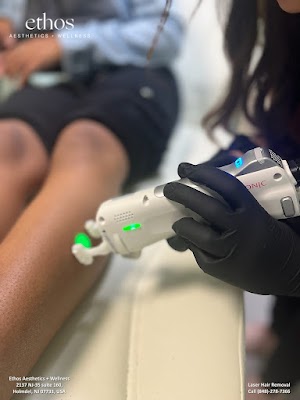
For Fitzpatrick I to III, alexandrite lasers, typically 755 nm, and diode lasers near 810 nm often deliver fast, efficient clearance. For Fitzpatrick IV to VI, long-pulse Nd:YAG at 1064 nm is usually safest because it penetrates deeper and bypasses much of the epidermal melanin. That single choice cuts the risk of post-inflammatory hyperpigmentation and blistering dramatically when paired with proper cooling.
Texture and color of the hair matter just as much. Coarse, dark hair on the legs or in the bikini zone is the textbook target. Fine, light hair on the face is harder. White, grey, and very light blonde hair have little to no melanin, so standard devices struggle. If you have mixed hair, a seasoned provider will separate areas by hair type instead of applying one setting everywhere. I often treat a client’s coarse bikini line with one protocol and take a different approach for the fine vellus hairs that creep onto the lower abdomen. One size fits all is how people end up with patchy outcomes.
A brief tour of technology without the sales pitch
There are three workhorse platforms in professional laser hair removal service: alexandrite, diode, and Nd:YAG. Each has strengths, each can misfire when used improperly.
Alexandrite, at 755 nm, is efficient for lighter skin types with dark hair. It offers quick passes and strong follicular absorption. The downside is a higher risk on darker skin unless you dial down fluence and add robust cooling, which slows sessions and can reduce effectiveness.
Diode, around 800 to 810 nm, straddles a middle ground. It suits a wide range of hair and skin with appropriate parameters and usually features excellent integrated cooling. Many clinics consider diode the backbone for full body laser hair removal, from legs to underarms, because it balances speed and comfort.
Nd:YAG, at 1064 nm, is the go to for darker skin and for areas where you want to spare the epidermis and reach deeper follicles. It is less efficient per pulse on fine hair, which is why you will hear clients say it took a few more visits on the face than the underarms. Safety trumps speed here.
If you are looking for the best laser hair removal machine, prioritize a clinic with at least two wavelengths on hand and specialists who can explain when and why they would switch. Devices never outperform judgment. Ask about patch testing and how they titrate fluence, pulse duration, and spot size by body area. A provider who can explain why your underarm setting should differ from your leg laser hair removal is the kind of provider who will also manage comfort, downtime, and long term results well.
The medication conversation that protects your skin
Medication review often feels awkward for clients, but it guards against blistering, pigment change, and delayed healing. People are surprised how many everyday prescriptions and supplements tip the skin toward photosensitivity. I have rescheduled treatments after hearing about a new antibiotic at the last minute, and the patient avoided what could have been a messy week of inflammation.
Here is a tight checklist to bring to your consultation and to every subsequent visit. If anything changes between bookings, tell your provider.
- Accutane or isotretinoin within the past 6 to 12 months Oral or topical retinoids, strong exfoliants, or alpha hydroxy acids on the target area Recent antibiotics like doxycycline or minocycline that can trigger photosensitivity St. John’s wort, high dose niacinamide or other supplements with photosensitizing potential Anticoagulants, immunosuppressants, or new hormone therapy started within the last month
These are not automatic disqualifiers, but they alter timing and settings. For example, if you finished a course of isotretinoin three months ago, most conservative protocols advise waiting at least 6 months before a laser hair removal procedure on the face to reduce the risk of scarring. If you are on antibiotics, we typically reschedule to a week or two after the last dose.
Topical retinoids, glycolic acid, and aggressive scrubs thin the stratum corneum for a few days. That can Find more information make the skin feel raw under the laser’s heat. I ask clients to stop those topicals in the treated area for roughly 5 to 7 days before and 3 to 5 days after each session.
Hormonal changes are the quiet variable. Polycystic ovary syndrome, pregnancy, postpartum shifts, testosterone therapy, and even IUD changes can alter hair cycles. Laser hair reduction still works, but you may need maintenance more frequently. This is where honest planning helps. We might set expectations at 8 sessions instead of 6 for chin or jawline laser hair removal in someone with ongoing androgenic stimulation, with touch ups every 6 to 12 months.
Sun exposure is not an afterthought
I have canceled more sessions for recent sun exposure than for any other reason. Tanned skin, whether from vacation or a weekend of pickleball, absorbs more light. That means more heat in the epidermis and a higher risk of pigment change and burns. Even if you feel fine, your melanin has changed. This is not about shaming outdoor time; it is about physics and safety.
Spray tans and self tanners also complicate things. The DHA pigment sits in the outer skin and can trick the laser into dumping heat where we do not want it. I ask clients to avoid sunless tanning on treatment areas for at least two weeks before their appointment and to exfoliate well if there is any residual pigment.
Use the following pre-treatment timing as a practical guide and ask your provider how it applies to your device and skin type.
- No direct sun or tanning beds on treatment areas for 2 to 4 weeks before and 2 weeks after each session Daily broad spectrum SPF 30 or higher, reapplied every 2 to 3 hours outdoors Cover-ups for body areas like shoulders, chest, and back between sessions Pause spray tans and self tanner for 2 weeks pre-treatment and until skin is fully calm post-treatment Report any sunburns, peeling, or color changes at your laser hair removal consultation before proceeding
You will notice the range of 2 to 4 weeks. That is not hedging. A Fitzpatrick II with a light bronze after a long weekend may be ready after 2 weeks with a small test spot. A Fitzpatrick V who spent two weeks in strong sun may need the full 4 weeks, then a cautious restart with Nd:YAG and gentle parameters. If a clinic waves this off entirely, look elsewhere.
What happens during a thorough consultation
A proper laser hair removal consultation feels unhurried even if it takes only 20 to 30 minutes. Expect a medical intake, photographs of treatment areas in neutral light, hair and skin assessment, device selection with rationale, and a patch test. I prefer to patch test in an area that will be treated, not just somewhere nearby, so we see a true read on response. You should also hear a straightforward conversation about laser hair removal risks and the steps we take to mitigate them.
Cooling is one of those steps. Modern platforms offer contact cooling, cryogen spray, or chilled air. Effective cooling lets us deliver enough energy to the follicle while keeping the surface temperature in a safe band. Topical anesthetics are rarely necessary for most areas, but bikini laser hair removal and upper lip treatments can sting. If you know you are pain sensitive, say laser hair removal near me so. We can extend session time, cool more aggressively, or use small amounts of topical anesthetic with proper timing.
You should leave with a written plan that includes targeted areas like underarm, face, neck, chest, back, legs, arms, or intimate zones like Brazilian or Hollywood, the number of sessions projected, the gap between them, and the total laser hair removal price or a clear per session rate. If you are shopping laser hair removal packages, compare what is included. Unlimited sessions for 12 months can be a good value if you are treating multiple large areas but may oversell what most people need. Honest clinics show you laser hair removal deals but map them to realistic timelines.
How many sessions, how long between them, and what “permanent” means
Hair grows in cycles. Only follicles in the anagen, or active growth phase, respond robustly to treatment. That is why we stack sessions. For the body, we usually book every 6 to 8 weeks. For the face, every 4 to 6 weeks is common because cycles are shorter. Most clients see meaningful laser hair removal results after 2 to 3 visits, with 60 to 90 percent reduction by session 6 to 8 on coarse dark hair when schedules are kept. Areas like the lower legs, underarms, and bikini line often clear fastest. The jawline, chin, and upper lip can be stubborn, especially with hormonal input.
Permanent laser hair removal is a phrase that stirs debate. The FDA language behind the scenes speaks to permanent hair reduction, not a total and forever absence of hair. In practice, that means the treated follicles are disabled, and you get long term results, often years, with maintenance touch ups when dormant follicles wake or hormonal shifts recruit new ones. I tell clients to expect a tidy, low maintenance situation after a full course and a small annual or semiannual visit if they want to keep it pristine.
Cost, value, and what pushes price up or down
Laser hair removal cost varies widely by region, clinic experience, device, and area size. A single small area like the upper lip or underarm might range from 60 to 200 dollars per session in many cities. Medium areas like the bikini line, half arms, or half legs can sit in the 150 to 350 range. Large zones like full legs, back, or chest often land between 300 and 700 per session. Full body laser hair removal and bundled laser hair removal packages price out more efficiently per area, though the upfront number can look high. Monthly plans and laser hair removal subscription models spread the cost and can make scheduling easier, but read the fine print on minimum terms and cancellation.
Affordable laser hair removal is not the same as cheap laser hair removal. You want safe laser hair removal run by qualified staff using maintained devices with diligent cooling and calibrated settings. If a quote is dramatically below the market, ask about the platform, the experience of the technician, and how they handle adverse events. When people type laser hair removal near me and sprint to the lowest ad price, they often end up in my office asking how to fix banding or paradoxical growth after the fact. Value is outcomes over time, not the sticker on session one.
What you do before and after matters more than you think
Shave the area 24 hours before treatment. Do not wax, pluck, or thread for at least 4 weeks beforehand because we need the follicle in place. Skip fragrance lotions, deodorants on the day for underarm laser hair removal, and occlusive oils that can trap heat. Arrive with clean, dry skin. If you are treating the face, remove makeup thoroughly and avoid heavy actives for several days around the session.
After the laser hair removal procedure, expect mild redness or follicular edema that looks like tiny goosebumps. That is a sign we hit the target. Cooling gels or plain aloe soothe well. Avoid hot baths, saunas, heavy workouts, and tight clothing on the area for 24 to 48 hours. Keep sun strict for at least 2 weeks and keep SPF high. Resist the urge to exfoliate aggressively right away. Hairs will shed over 1 to 3 weeks; they will look like black dots that work their way out. That is normal. Do not tweeze them. If itch creeps in, a bland moisturizer or a short course of over the counter hydrocortisone can help, but check with your provider first.
Special scenarios I see often
Face laser hair removal for women with hormonal acne or chin hair often reveals the tug of war between treatments. If you are on a retinoid, plan your laser sessions in windows when you can pause for several days before and after to spare the barrier. If you break out after sessions, switch to a lighter occlusive and give the skin more airflow in the first 24 hours.
Laser hair removal for men on the beard area has unique choreography. The neck and jawline are high friction zones. Razor burn, ingrowns, and folliculitis drive a lot of men to try professional laser hair removal. The first few sessions usually cut down on ingrowns dramatically. Be strict about clean pillowcases and avoid tight collars and strategic scratching when the stubble sheds.
Back and chest laser hair removal on men often benefit from pre-session photographs and an agreed map. Symmetry matters. Tidy borders tell the difference between a professional outcome and an amateur one. I use skin-safe pencils to mark lines before the handpiece ever touches the skin.
" width="560" height="315" style="border: none;" allowfullscreen="" >
Bikini and Brazilian work is some of the most satisfying in terms of comfort and ingrown reduction. These areas often clear quickly because the hair is coarse and dark. Comfort planning is everything. If you are anxious, ask to start with a smaller zone like the crease where thigh meets pelvis, build confidence, then move deeper.
For sensitive skin, extra hydration and a conservative first pass go a long way. A cautious start is not a waste of money. You can nudge energy up session by session once the skin proves it tolerates the insult.
Safety nets and red flags
You are looking for safe laser hair removal. That starts with a provider who takes your history carefully, explains the device choice clearly, and documents test spots. Red flags include no intake form, no patch test on new clients or new areas, no advice about sun or medications, and a rush to treat freshly tanned skin. If a clinic uses one device and claims it works perfectly for everyone, press for details or keep shopping.
The rare but real risks include burns, blisters, pigment change, and paradoxical hypertrichosis, where fine hair increases around the treatment field. This last one is uncommon and more likely with inappropriate settings on the face or neck, especially in darker skin types. If it happens, shifting to Nd:YAG with adjusted parameters often reins it in. Blistering and darkening usually come from excess epidermal heating, recent sun, or a medication conflict. Immediate cool compresses, gentle care, and early dermatology input protect outcomes. Ask upfront how the clinic handles complications and if a dermatologist oversees protocols. Medical laser hair removal teams tend to have clear pathways for these scenarios.
Why shaving timing and hair trimming technique make or break comfort
Shaving too soon before a session can leave micro nicks that sting. Shaving too late leaves stubble that absorbs energy at the surface instead of in the follicle. I recommend shaving 12 to 24 hours before. Use a clean razor and a fragrance free cream. For tricky angles like the posterior thighs or back, book a quick trim in clinic rather than guessing. Avoid electric trimmers that leave long stubble. If hair is long, that extra charcoal smell during treatment is the hair shaft burning, not the follicle being efficiently targeted.
How reviews and before and after photos can mislead
Laser hair removal reviews help, but read them like a clinician. If the review praises speed and price and says nothing about skin type, device, or outcomes 6 months later, take it with salt. Before and after photos are notoriously hard to standardize. Lighting that flattens texture can mimic clearance. Look for consistent angles, consistent lighting, and time stamps that show months, not days. Ask to see results on people who share your skin type and hair pattern. In a good laser hair removal clinic, staff can show a range of cases and narrate what they changed when progress plateaued.
What to ask if you are hunting “laser hair removal near me”
Proximity matters because you will be visiting every 4 to 8 weeks for a while. That said, quality trumps a 10 minute commute. When you call or book a laser hair removal consultation, ask who will treat you and what training they have, what lasers are on site, whether a patch test is standard, and how they tailor for dark skin or fine hair. Ask how they price laser hair removal packages and what happens if you need fewer sessions than estimated. Clarify whether you can pause for travel or seasonal sun without penalty. A clinic that welcomes these questions without defensiveness knows its craft.
A realistic roadmap from first visit to maintenance
Most clients finish a core series in 6 to 10 sessions over 8 to 14 months, depending on area and hair biology. Busy professionals like to stack two or three areas per visit. That is reasonable if your provider is disciplined about cooling and area sequencing. Sessions themselves are quick for small zones, often 10 to 15 minutes for underarms, 15 to 30 for bikini, 30 to 45 for full legs depending on device speed. Full body laser hair removal days can run 90 minutes to 2 hours when done comprehensively.
After you reach your endpoint, maintenance is light. Many go 6 to 18 months without needing a touch up. If new growth creeps in, it is often finer and sparser. One or two quick sessions snip it back. People who waxed for years report that laser vs waxing hair removal is not just about fewer ingrowns and less irritation, it is about freedom from scheduling life around regrowth. Compared with shaving, laser hair removal how it works gives you fewer razor blades, fewer bathroom huddles, and fewer surprise shadows in bright boardroom light.
Final prep notes worth taping to your mirror
Book your sessions with your calendar in mind. Vacations, weddings, beach seasons, and sports leagues matter. Keep your skin care simple around treatments. Stick with plain cleansers and moisturizers you trust. Respect the sun rules. Communicate medication changes. If you are not sure about something, snap a photo and message the clinic. The small messages often prevent the big problems.
Laser hair removal technology has matured. Diode platforms with excellent cooling, alexandrite for speed on suitable skin types, and Nd:YAG for safe depth on darker skin make the work reliable. The difference between mediocre and excellent results rarely lives in the machine. It lives in the consultation and the plan that follows. The quiet skill is judgment. When clinics take time to understand your skin type, your medications, and your actual relationship with the sun, they can offer advanced laser hair removal that is safe, efficient, and as close to permanent as biology allows. That is the bar to aim for, whether you are treating a tidy upper lip, a full pair of legs, the bikini line you have battled since high school, or the back that refuses to read the memo.