If you ask five people how laser hair removal feels, you will get five different answers. Some describe it as a warm pinprick, others compare certain spots to a quick rubber band snap with heat behind it. The truth sits between those two. Laser hair removal is not painless, but with the right device, settings, cooling, and preparation, most clients rate it as mild to moderate discomfort that lasts seconds at a time. The goal of this guide is to set clear expectations, explain why some areas and skin types feel more than others, and offer practical ways to make treatments easier.
I have performed and supervised thousands of laser hair removal sessions on faces, underarms, bikini lines, backs, chests, arms, and legs, using diode, alexandrite, and Nd:YAG technology. The patterns become predictable after a while. Coarse, dense hair tends to sting more on the first few passes. Fine hair on larger areas is often barely noticeable after the first session or two. Good cooling matters as much as the machine. And the practitioner’s judgment, especially on parameters and technique, determines whether a session feels reasonable or intolerable.
What the laser is actually doing, and why it creates sensation
Laser hair removal targets melanin in the hair shaft and bulb. A pulse of light travels down the hair, converts to heat, and disables the follicle’s ability to regrow. That burst of heat is what you feel. Your nerves register two stimuli at once, a thermal spike as the follicle heats up, and a mechanical snap as the surrounding tissue expands microscopically.
Several technical choices influence how that heat lands:
- Wavelength. Alexandrite at 755 nm targets melanin efficiently and can feel sharper on lighter skin with dark hair. Diode at 800 to 810 nm penetrates slightly deeper and is commonly used for a balance of comfort and speed. Nd:YAG at 1064 nm penetrates deepest, is safer on darker skin, and often feels like a duller, deeper thud. Sensation varies with fluence and cooling, but these tendencies hold. Pulse duration. Shorter pulses dump energy quickly, which can sting more on coarse hair. Longer pulses stretch the heat over time, often reducing the spike for thick shafts. Spot size and repetition rate. Larger spots distribute heat and allow faster passes, which clients often tolerate better. High repetition settings used in in-motion or SHR style diode treatments trade one sharp snap for a series of low-intensity warms. Cooling. Contact sapphire tips, cryogen spray, and chilled air make a dramatic difference. Proper cooling reduces superficial pain and protects the epidermis without compromising the follicle target.
If a session hurts more than expected, it is often one of these variables. A certified laser hair removal technician should adjust fluence, pulse width, and cooling to find the sweet spot where hair reduction is effective and tolerable.
How pain differs by body area
Not all skin is wired the same. Areas with more nerve endings and thin skin, or regions where hair is dense and coarse, feel more. Hormonal zones can also be sensitive. Even within a single area, sensation changes as hair density drops over a series of laser hair removal sessions.
Here is how most clients rate common zones, using a 0 to 10 scale where 0 is no sensation and 10 is unbearable. These are typical ranges with proper technique and cooling.
- Underarms: 4 to 6. The first pass feels snappy due to coarse follicles. Sessions two and three usually drop to a 3 or 4 as density falls. Good contact cooling and pre-shave help a lot. Bikini and Brazilian: 5 to 8. Inner crease and labia or scrotal skin are often the most sensitive. Fat pads cushion some regions, but hair caliber drives sensation. Communicate with your specialist and take breaks if needed. Face (upper lip and chin): 3 to 6. Upper lip can sting because of nerve proximity and fine, shallow hair. Chin with coarse hair can feel sharper on early sessions. Legs and arms: 2 to 4. Long areas feel repetitive but are usually comfortable, especially with in-motion diode techniques. Ankles and shins can jump to a 5 in bony spots. Back and chest: 3 to 6. The sternum, shoulders, and around the nipples can spike higher. Large areas benefit from fast, large-spot devices.
These ranges assume a professional laser hair removal service using appropriate technology for your skin type. If your practitioner races through without cooling or uses aggressive fluence on sensitive areas, expect higher numbers. If you are offered painless laser hair removal, ask what device and technique they mean. In-motion diode at sub-ablative energies can feel close to painless on many areas, but truly zero sensation is not realistic when hair is dense.
Skin tone, hair type, and why the same setting does not fit all
The best laser hair removal results come from matching wavelength and parameters to your Fitzpatrick skin type and hair characteristics. Light skin with dark, coarse hair responds well to alexandrite or diode lasers at moderate to high fluences. Darker skin types benefit from Nd:YAG or carefully tuned diode because the deeper wavelength avoids excessive epidermal melanin, reducing burn risk. That safety margin can change how the treatment feels.
Coarse, dark hair acts like a better antenna for laser energy, which is good for results but can heighten the snap on session one. As hair thins with each laser hair removal treatment, pain usually drops session by session. Fine, light hair absorbs less energy, feels less, and requires careful calibration to make the treatment effective at all. Grey, white, or red hairs lack sufficient melanin for most laser hair removal machines, regardless of pain level. Your laser hair removal consultation should cover candidacy and realistic outcomes before you book a full package.
Clients with sensitive skin often assume they will have more pain. In practice, sensitivity correlates more with anxiety, caffeine intake, and cycle timing than with a diagnosis like eczema, as long as the skin is not flaring on the day of treatment. If you have a history of keloids, photosensitivity, or are on medications like isotretinoin or certain antibiotics, disclose this at your laser hair removal appointment. Safety first, results second.
Cooling, numbing, and the rhythm of a comfortable session
Cooling earns more gratitude than any single setting. I insist on active cooling in three layers: a chilled contact tip on the handpiece, pre-cooled gel for some devices, and cold air or intermittent ice packs between passes in sensitive zones. With proper timing, you blunt surface sensation without stopping follicle heating. It also reduces post-treatment redness and swelling.
Topical anesthetics can help, but use them thoughtfully. For most zones, 5 percent lidocaine cream applied 30 to 45 minutes before treatment under occlusion reduces pain by about 30 to 40 percent. Do not slather numbing cream before full body laser hair removal because systemic absorption can become a safety issue. Many clinics set a cap on the total grams applied per visit and avoid numbing on mucosal or very thin skin. If you need numbing for bikini laser hair removal or upper lip, ask for measured application by clinic staff. Over-the-counter options work for small areas, but a professional-grade formulation is more predictable.
There is a tempo to a good session. The first series of pulses on a fresh area often sting the most. As the practitioner moves methodically and overlaps slightly, the sensation evens out. I talk clients through landmarks, warn before tender spots, and adjust speed to match their breathing. If a panel crosses from sharp to intolerable, I increase cooling, lengthen the pulse width, or drop fluence by 10 percent, then reassess. Small changes matter.
Practical steps to make laser hair removal easier
You can influence your laser hair removal pain level with simple preparation. I give every new client the same short checklist, and it consistently improves comfort and results.
- Shave closely 12 to 24 hours before your laser hair removal appointment. Hair above the skin wastes energy and increases heat on the surface, which hurts. Do not wax or tweeze for 3 to 4 weeks before because the root must be present. Avoid sun exposure and self-tanner for at least 2 weeks. Tanned skin absorbs more energy and raises both pain and side effect risk. Skip retinoids, strong acids, and exfoliating scrubs for 3 to 5 days before face laser hair removal. Calmer skin tolerates heat better. Limit caffeine and try to schedule outside of your most sensitive cycle days. A small change in arousal and vascular tone can change how you perceive pain. Discuss numbing cream, pain thresholds, and device choice during your laser hair removal consultation so the clinic can plan settings, cooling, and timing.
Hydration helps marginally. Taking an over-the-counter pain reliever like acetaminophen an hour before can take the edge off. I avoid recommending NSAIDs right before treatment because they may increase bruising in rare cases, and I never advise pre-treatment benzodiazepines without a physician’s oversight. If anxiety is high, a slower pace and clear communication usually do more than pills.
What happens during and right after a session, sensation by sensation
When the handpiece first touches your skin, you will feel the cool sapphire tip or chilled gel. The first pulse brings a brief snap and warmth. Dense hair can produce a faint singed smell. That is normal, and we ventilate the room to keep it comfortable. As we proceed, the sensation repeats in small bursts, usually a few pulses per second, then a brief repositioning. Large areas like leg laser hair removal or back laser hair removal settle into a rhythm that clients often describe as manageable, even meditative.
Post-treatment, expect mild redness and perifollicular edema, tiny bumps around follicles, for a few hours up to a day. On sensitive areas like bikini laser hair removal or underarm laser hair removal, it can feel like a mild sunburn for a day. Cool compresses and a bland moisturizer calm that quickly. Avoid hot showers, saunas, intense workouts, or tight clothing on treated zones for 24 hours to let the skin settle.
The next visible sign is shedding, usually 1 to 2 weeks after. Hairs look like they are growing, then slide out easily with gentle rubbing in the shower. Do not pluck; let them fall. The area often looks patchy before it looks sparse. That is a sign the laser is targeting follicles in the active growth phase. Hair grows in cycles, which is why most treatment plans include 6 to 10 laser hair removal sessions spaced 4 to 8 weeks apart depending on the body area.
Comparing sensation: laser vs waxing, shaving, and electrolysis
Clients often ask whether laser hurts more than waxing. For most, waxing creates a strong, diffuse pain for a few seconds per strip and leaves lingering tenderness. Laser produces a brief, localized snap with heat that repeats in pulses. On average, a well-executed laser hair removal procedure feels less intense than a Brazilian wax and far shorter in duration. Shaving is virtually painless, of course, but must be repeated frequently and can cause razor burn or ingrowns that many clients find more bothersome over time.
Electrolysis targets single follicles with a fine probe and can be effective for lighter or grey hairs. Sensation is sharp and repeated hair by hair, which can be more wearing for large zones. Laser treats a large number of follicles quickly, which means discomfort is spread out over a shorter total time. If your goal is laser hair reduction on large areas and your hair has pigment, laser tends to be the more tolerable path. Electrolysis remains a useful tool for finishing touch-ups or non-pigmented hairs.
Device differences you can feel, and why they matter
Advanced laser hair removal technology varies widely. Two clinics might both advertise professional laser hair removal, yet deliver very different experiences.
Diode laser hair removal machines commonly use an 810 nm wavelength with large spot sizes and in-motion capabilities. Many clients find them comfortable for legs, arms, back, and chest. The practitioner continuously moves the handpiece, gradually heating the follicles to threshold. Sensation feels like oscillating warmth with Holmdel laser hair removal occasional snaps on dense patches.
Alexandrite laser hair removal at 755 nm is fast and effective on lighter skin types with dark hair. The sensation is snappier pulse by pulse, but excellent cooling systems and careful pulse width selection keep it in a tolerable range. I prefer alexandrite for large, light-skinned clients seeking speed, especially for arm laser hair removal and leg laser hair removal where hair is coarse enough to respond well.
Nd:YAG laser hair removal at 1064 nm is the go-to for darker skin types. The deeper penetration spares surface melanin, which improves safety and reduces blister risk. The feeling is often described as deeper and duller. On areas like the bikini line and beard area for men, it can still spike, but cooling and staged passes usually keep it under control.
During your laser hair removal consultation, ask which device will be used for each body area and why. A good laser hair removal center will match technology to you, not the other way around.
How cost, packages, and scheduling relate to comfort
Price and pain intersect indirectly. A clinic offering the lowest laser hair removal cost may also book sessions back to back, use older devices without effective cooling, or push aggressive settings to hit fast results. That can translate to rougher treatments. On the other hand, a high laser hair removal price alone does not guarantee comfort. What matters is the combination of experienced staff, appropriate technology, and time reserved for proper cooling and pacing.
Most clients buy laser hair removal packages for a set number of sessions. If you are comparing laser hair removal deals, read the fine print on device type, who performs the treatment, and policies for rescheduling. Spacing sessions at appropriate intervals affects both pain and results. Face, neck, and underarms often run every 4 to 6 weeks. Legs, arms, chest, and back usually sit comfortably at 6 to 8 weeks. Sticking to a rhythm helps because you avoid chasing hair outside the ideal growth stage, which can otherwise require higher fluence and feel sharper.
Booking during quieter hours helps if you prefer an unhurried pace. If you search for laser hair removal near me, look for reviews that mention comfort, clear explanations, and aftercare as much as they mention results. The best laser hair removal clinics earn that trust session after session.
Aftercare that reduces lingering discomfort
Post-appointment, the simplest routine works best. Keep the area cool and clean. Use a fragrance-free moisturizer or a light gel with aloe or thermal spring water. Avoid actives like retinoids and acids on treated facial zones for 3 to 5 days. Skip exfoliation for 48 to 72 hours, then resume gentle exfoliation to help hairs shed evenly. If a follicle bumps up, a warm compress and a thin layer of 1 percent hydrocortisone for a day or two can calm it, provided your provider gives the green light.

Watch for uncommon side effects like blistering, significant swelling, or pigment changes. These are rare with proper device choice and cooling, but darker skin tones are more prone if settings are too aggressive or if recent sun exposure was not disclosed. Call your clinic if anything looks or feels off. Early guidance can prevent small issues from becoming scars or hyperpigmentation.
A note on men’s and women’s experiences
Gender itself does not determine pain tolerance, but hair distribution and density do. Laser hair removal for men often targets thicker beards, backs, shoulders, and chests. The initial sessions can feel more intense because the hair caliber is larger. I slow down on the sternum, over the Adam’s apple, and along the shoulder blades where nerves are close to the surface. Laser hair removal for women frequently focuses on underarm, bikini or Brazilian laser hair removal, legs, and face. Cycle timing can nudge sensitivity up or down. Planning around that can improve comfort.
For both, the first two sessions set the tone. Once density drops, the discomfort drops with it. Clients who start at a pain level of 6 on the underarms often report a 3 by the third visit. That is not just perception, it is physics. Fewer, thinner targets absorb less energy, which yields milder sensation.
When to pause or skip treatment
Safety sometimes calls for patience. If you have a fresh tan, sunburn, or active skin infection, postpone. If you started a photosensitizing medication, speak to your provider. If you are pregnant, most clinics delay nonessential cosmetic treatments like laser hair reduction. Clients with a history of seizures should avoid intense pulsed light cues without medical oversight. A professional laser hair removal clinic will screen for these and adjust your treatment plan.
Is the discomfort worth it?
The most honest answer is that it depends on your goals and your tolerance for temporary discomfort in exchange for long-term convenience. For clients who battle ingrown hairs, razor burn, or frequent waxing, laser hair removal benefits start to show after the second or third session. Underarms stay smooth for weeks, bikini lines look clearer, and legs take much less time to maintain. Most see a 60 to 90 percent reduction in hair after a complete series, with occasional maintenance sessions as hormones and life change. Permanent laser hair removal is a marketing phrase more than a medical guarantee, but long-term, stable reduction is realistic for most candidates.
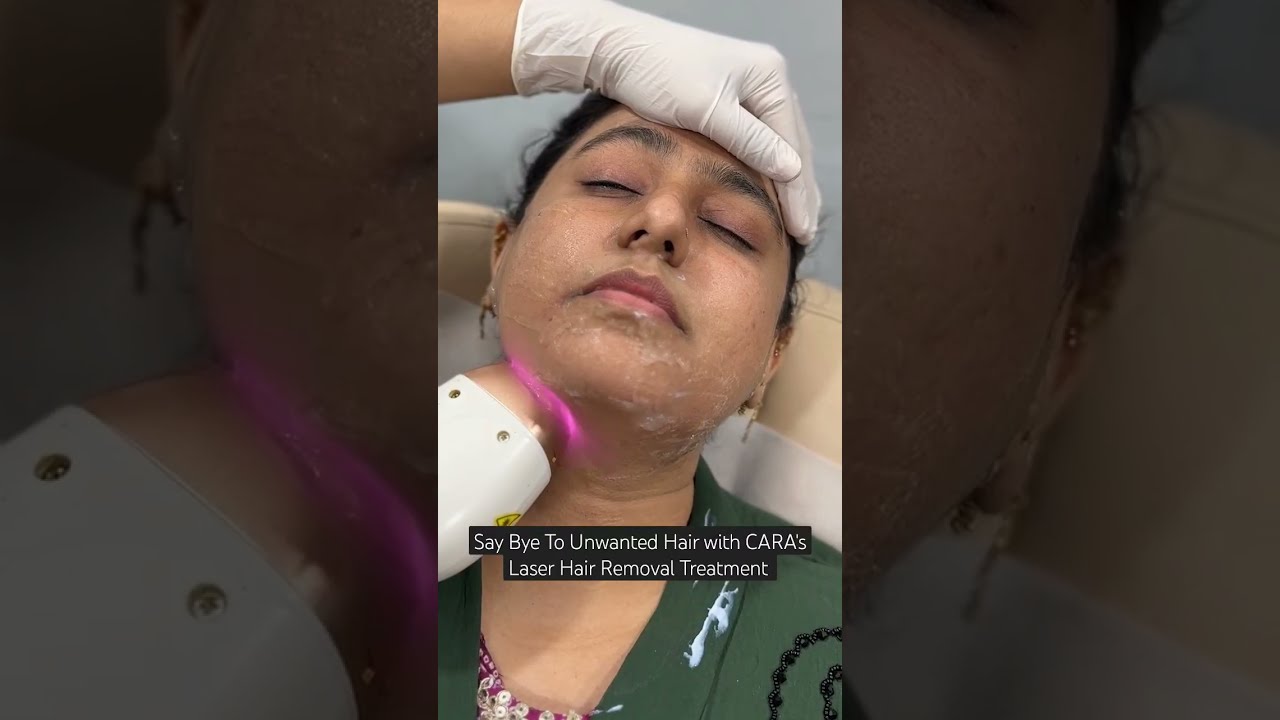
When the experience is well-managed, the pain level is not the headline. Sessions become routine. You walk in, cool gel, quick snaps, a bit of pink, and you are done. If you are still worried, book a test patch during your laser hair removal consultation. A square inch on your lower leg or underarm will tell you more than a dozen online reviews.
Choosing the right team makes the biggest difference
Look for signs of professionalism that correlate with comfort and safety:
- A certified laser hair removal technician who takes a full history and examines your skin and hair closely before recommending a device. Transparent discussion of laser hair removal technology options, including diode, alexandrite, and Nd:YAG, and why one fits you. Willingness to adjust parameters, use robust cooling, and proceed at a pace that keeps you engaged, not bracing. Realistic guidance on how many sessions laser hair removal typically takes for your areas and hair type. Clear aftercare instructions and open follow-up if you have questions.
Whether you book at a dermatologist’s office, a medical laser hair removal aesthetic clinic, or a specialized laser hair removal spa, insist on this level of care. Affordable laser hair removal does not have to be uncomfortable or unsafe. With today’s devices and thoughtful technique, comfort is a standard, not a luxury.
A quick story from the treatment room
One client, a competitive swimmer with thick, dark leg hair, rated her first leg laser session a 4, with spikes to a 5 over the shins. We used an 810 nm diode in in-motion mode with vigorous cold air. By session three, her density had dropped by about 50 percent visually, and her pain rating fell to a 2, even over the shins. She stopped shaving between sessions because growth slowed so much. Another client doing Brazilian laser hair removal started at a 7 on the inner crease using alexandrite. We switched to Nd:YAG for safety due to summer sun, lengthened the pulse, layered cooling, and applied a small, measured amount of lidocaine. She rated the next session a 4 to 5 and finished six sessions with excellent reduction and only mild pinkness after each visit. Technique and device selection changed the experience.
Final thoughts before you book
If you are weighing laser vs waxing hair removal or laser vs shaving hair removal purely on comfort, laser usually wins after the first two visits. If you are choosing between laser vs electrolysis hair removal, consider area size and hair color along with pain tolerance. Book a professional laser hair removal consultation, ask detailed questions, and try a test patch. If you search for laser hair removal deals near me, remember that the least expensive package is not a deal if you dread every appointment.
Pain is part of the process, but it is brief, predictable, and manageable. With a skilled laser hair removal specialist, the right machine, and a few smart preparations, most clients find the experience more comfortable than they feared and far more convenient than constant shaving or waxing. The payback is time, confidence in your skin, and fewer last-minute scrambles with a razor before you head out the door.